The Ageing Cluster:
A multiomic & phenotypic map of the ageing mouse
Key features:
Two mouse strains
Inbred C57BL/6 and genetically diverse 4-way cross HET3
4 timepoints across the lifespan
6, 12, 18, 24mos
Longitudinal physiological phenotyping
Multiomics of 4 tissues
Brain, muscle, intestine, immune
Development of 2 mouse models
Atg5-AID2 autophagy inhibition accelerated ageing
Cxcr4-AID2 vaccine response enhancement
Reach out to collaborate
〰️
Reach out to collaborate 〰️

Walid Khaled Cluster Lead Cambridge

Laura Greaves Cluster Lead Newcastle

Geula Hanin Ferguson-Smith Lab Cambridge

Michelle Linterman Babraham

Masashi Narita Cambridge

Dervis Salih UCL

Nick Schaum Khaled Lab Cambridge

Karen Suetterlin Newcastle


Helen Tuppen Greaves Lab Newcastle
Yaru Zhang Khaled Lab Cambridge


Mouse Cohort Design
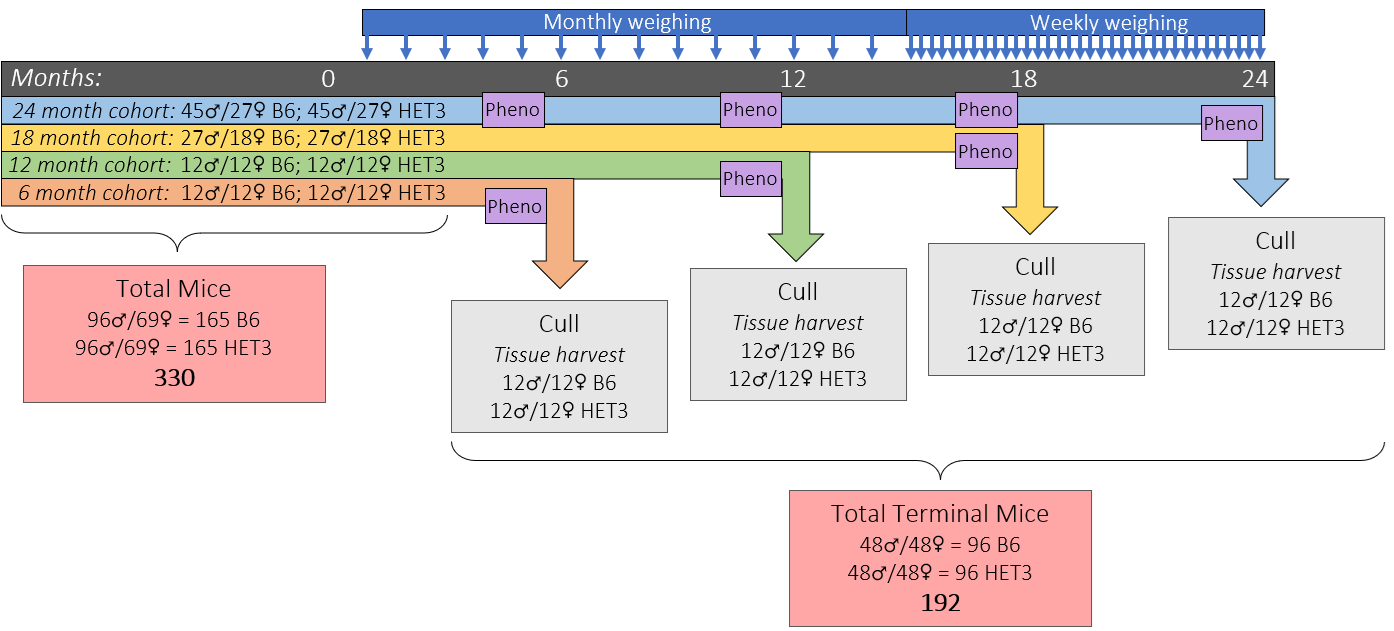
Timeline

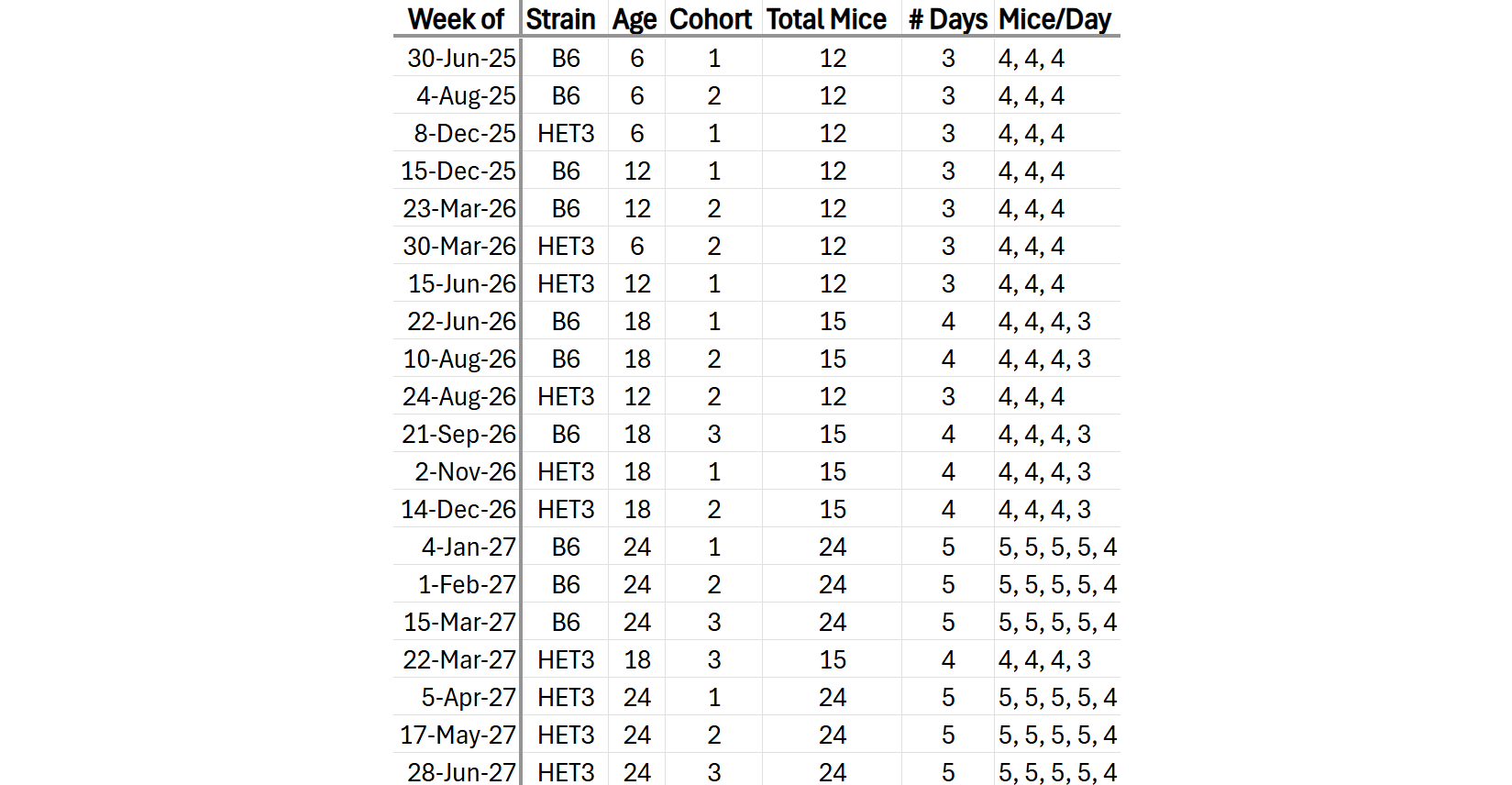
Biobanked Samples at Cull
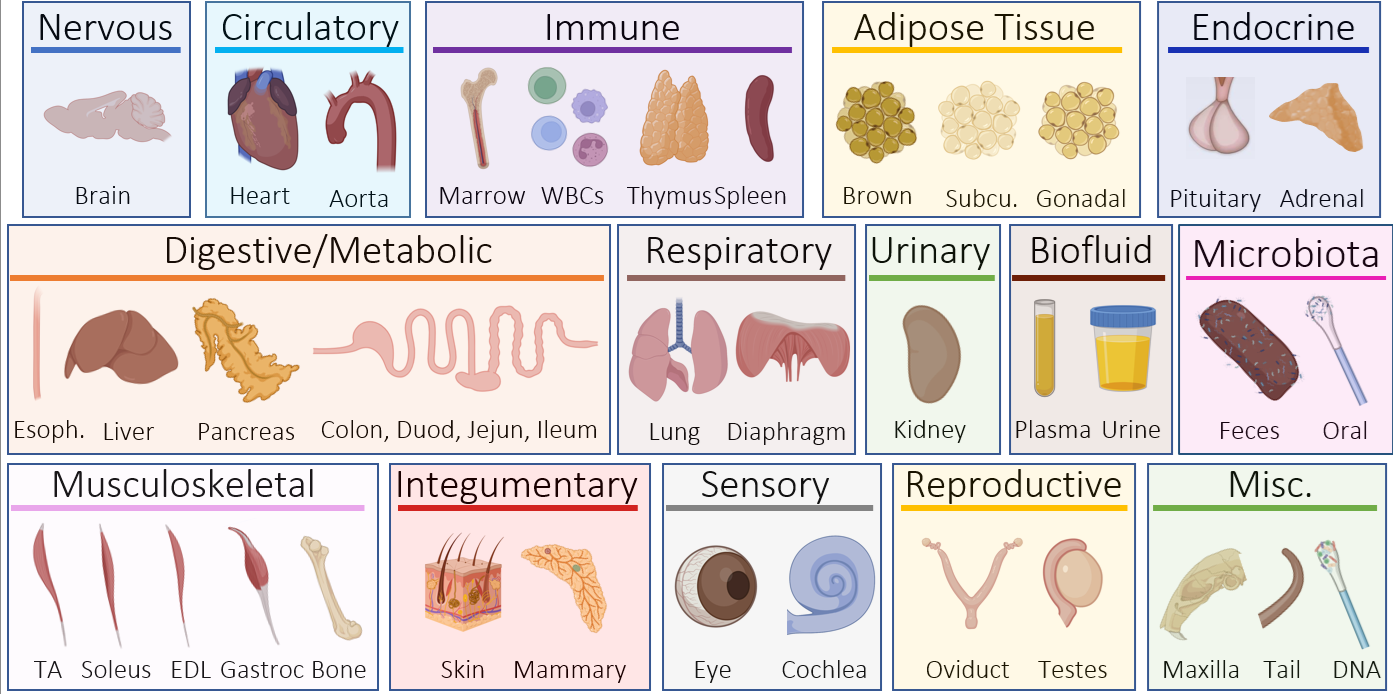
Sample Preservation at Cull
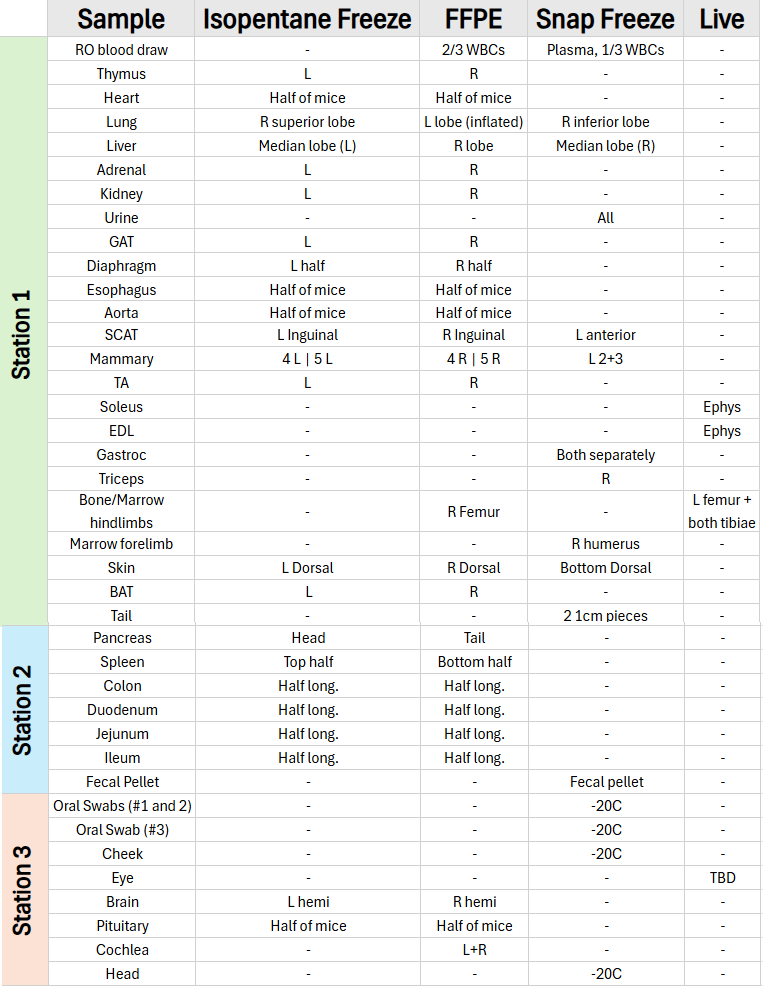
Biobanked Longitudinally Terminal Assays
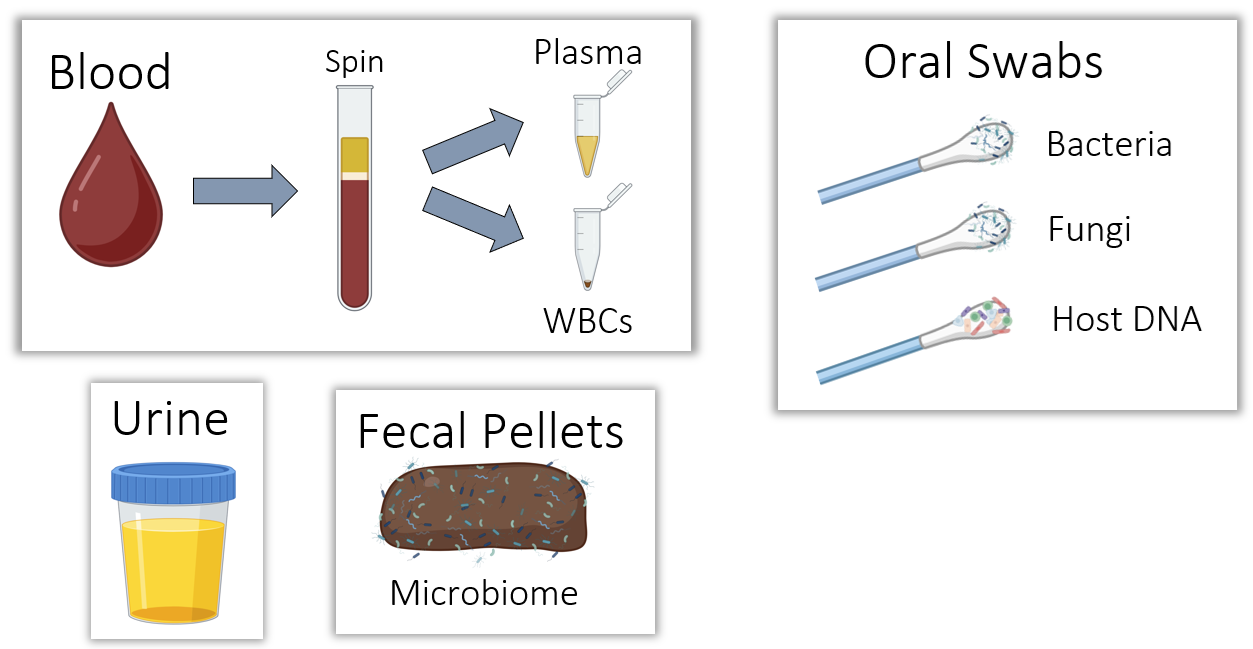
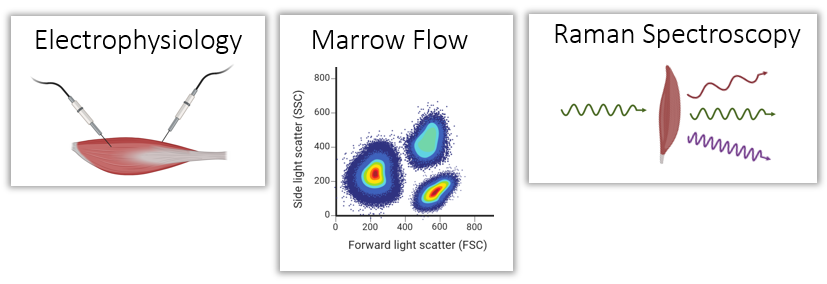
Longitudinal Assays

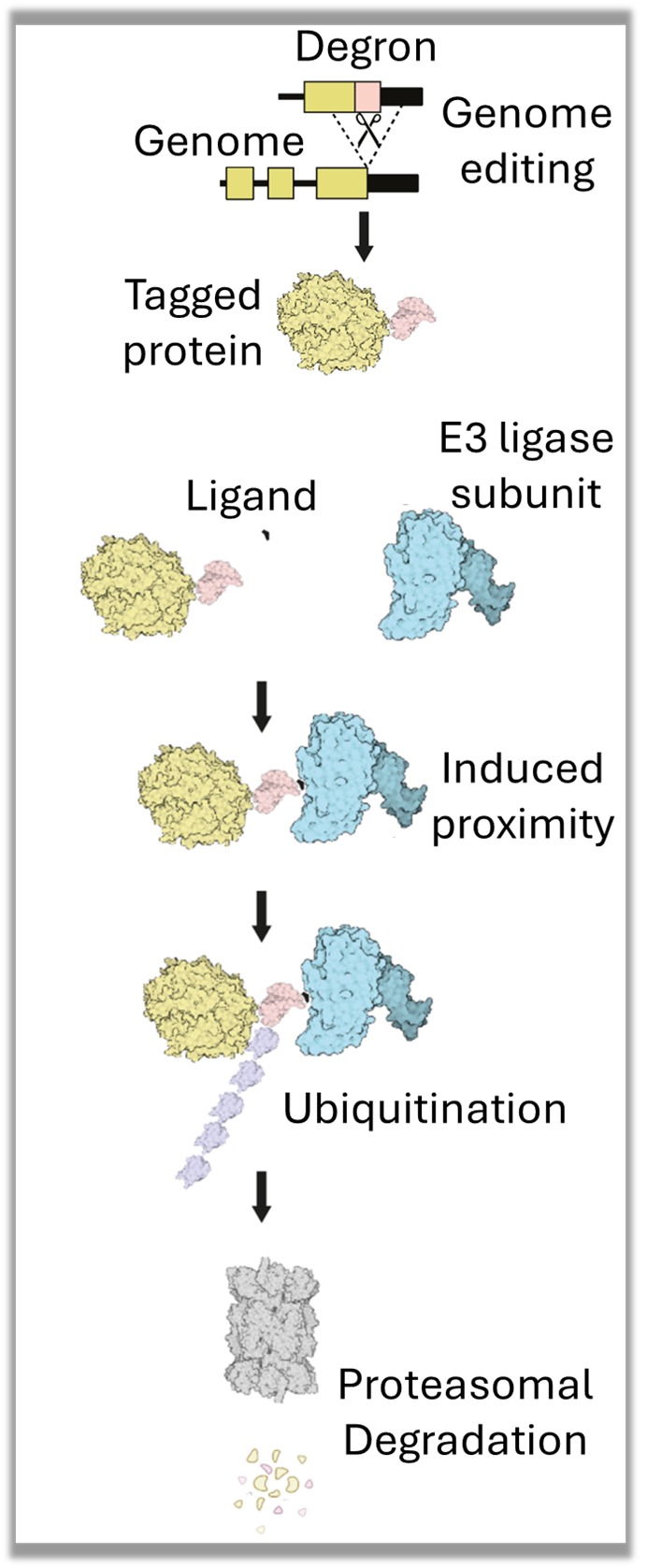
Atg5 and Cxcr4 Degron Models
Atg5
Atg5 KO = lethal neurotoxicity
Atg5i dox-induced RNAi
no BBB permeability / too severe to mimic ageing
Atg5.2 = reduced RNAi
mimics ageing better / 240d lifespan / no BBB permeability
Atg5-AID2 mouse
AID: Auxin-inducible degron
BBB permeable, but only partial degradation
Predict 10mo max survival: auxin @ 3mo, cull at 6, 9mos.
Cxcr4
Age = ↑ CXCR4 on follicular helper T cells = impaired vaccine response
Cxcr4-AID2 x IL21CRE = vaccine response rescue?